Conservation & Responsibility
Protecting the wilderness that makes your safari possible
Our Commitment to Conservation
Safari World Africa was built on a fundamental belief: tourism and conservation are not mutually exclusive. In fact, when done responsibly, wildlife tourism becomes one of the most powerful tools for protecting endangered ecosystems and the creatures that depend on them. The places we take our guests to are priceless precisely because they are wild, vast, and full of life. Our mission is to ensure they remain that way for generations to come.
Every safari we arrange generates direct revenue for conservation efforts, community development, and wildlife protection across Kenya and Tanzania. When you choose to safari with us, you are directly investing in the survival of Africa's greatest treasures. We work with established conservation partners, community-led initiatives, and local governments to ensure your journey contributes meaningfully to the places you visit.
How We Make a Difference
Four pillars of our conservation strategy
Wildlife Protection
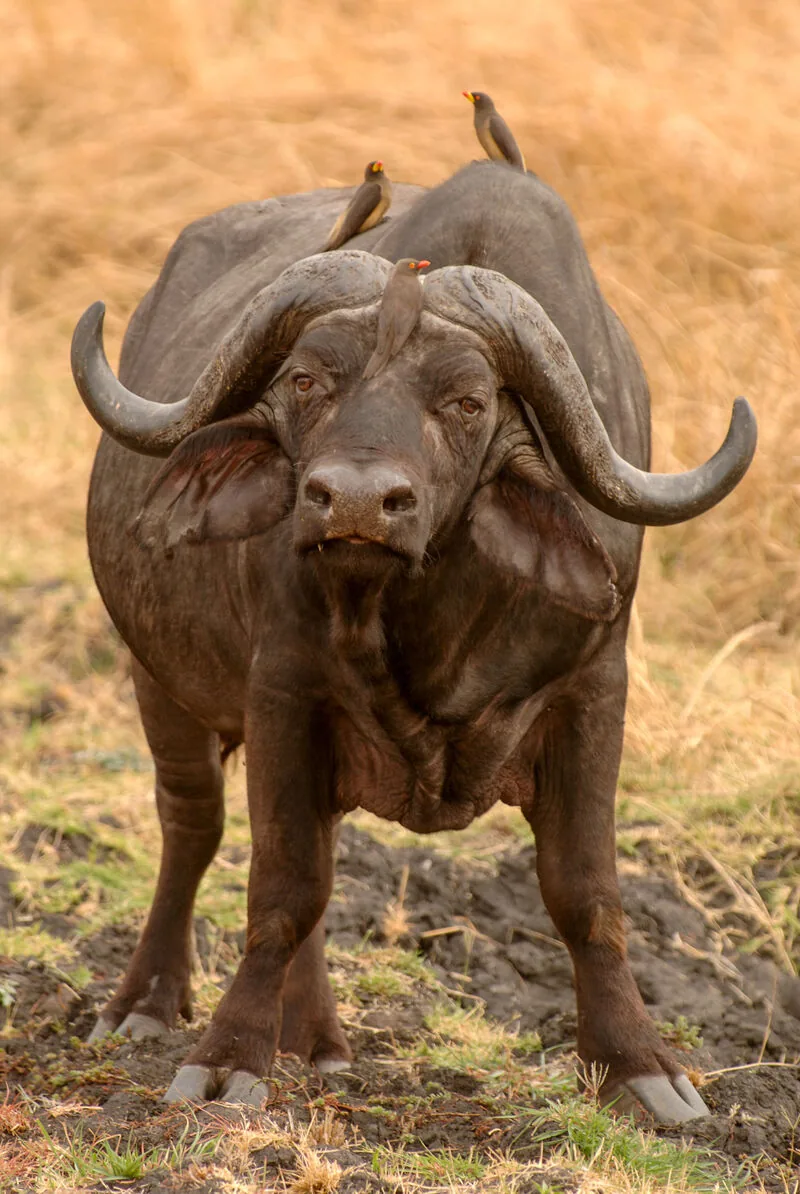
We support anti-poaching patrols in national parks and community conservancies, fund ranger equipment and training, contribute to wildlife monitoring and research programs, and work with park authorities to protect critical habitats and wildlife corridors.
Community Development
We partner directly with Maasai and other local communities, ensuring safaris generate employment and income for guides, lodge staff, and local suppliers. We support education programs, healthcare initiatives, and community enterprises that provide alternatives to wildlife poaching.
Sustainable Tourism
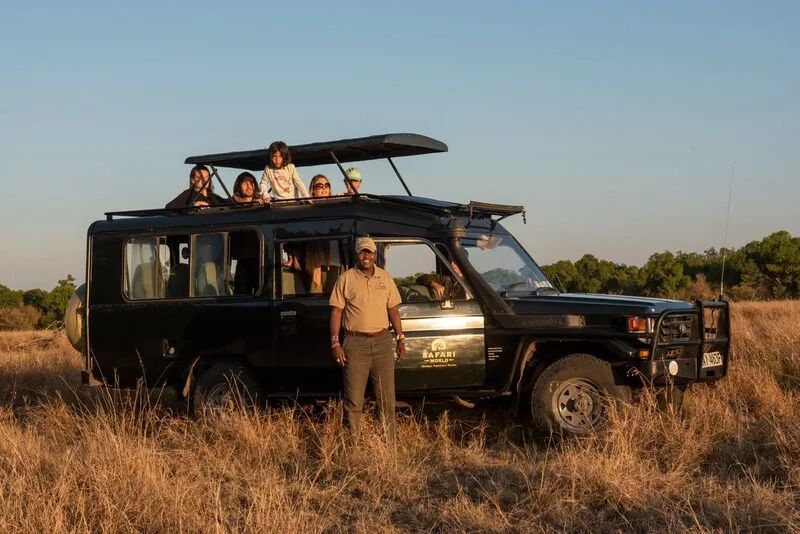
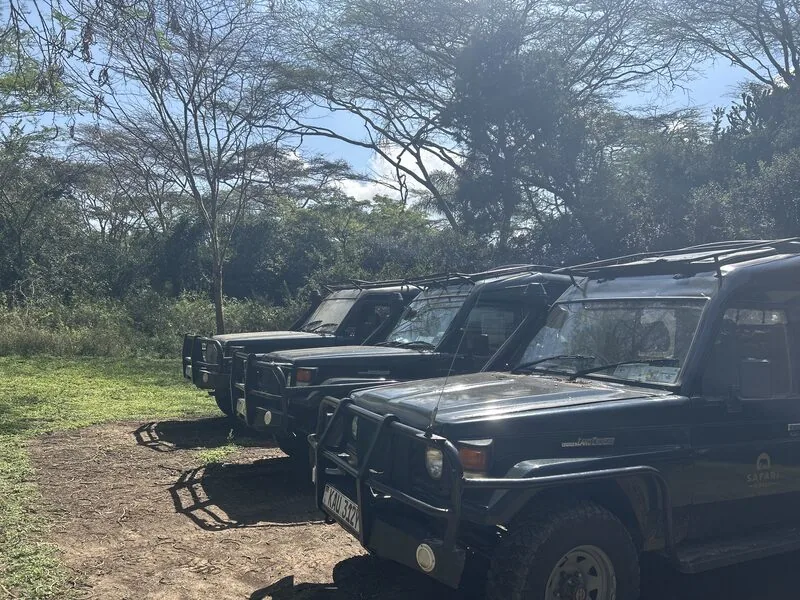
We practice low-impact tourism by limiting group sizes, using fuel-efficient vehicles, supporting eco-certified lodges with excellent waste management, and implementing responsible wildlife viewing guidelines. Our guides educate guests about conservation daily.
Carbon Responsibility
We measure and offset carbon emissions from safari travel, supporting reforestation projects across East Africa. We promote walking safaris and low-fuel activities, partner with carbon-neutral lodges, and advocate for sustainable aviation practices.
The Conservation Challenge
East Africa's wildlife faces unprecedented challenges. Habitat loss through agricultural expansion and urban development has fragmented ecosystems that historically supported millions of animals. Human-wildlife conflict intensifies as growing communities encroach on traditional wildlife ranges, and climate change brings increasingly severe droughts and unpredictable rainfall patterns. Poaching remains a persistent threat, driven by organized crime networks seeking ivory, rhino horn, and other wildlife products for international markets.
The Great Wildebeest Migration of the Serengeti, one of Earth's most spectacular natural phenomena, is increasingly threatened. Elephant populations across East Africa have been decimated by poaching. Critically endangered species like the black rhino teeter on the edge of extinction. Without urgent, sustained conservation action and investment, the Africa we invite our guests to experience risks becoming a thing of the past within a generation.
This is why responsible tourism matters. It provides the economic incentive for governments and communities to protect wildlife rather than convert habitats to other uses. When visitors pay to experience Africa's wildlife in its natural state, it creates value in living animals—value that sustainable conservation can maintain indefinitely.
How You Can Help
Practical ways you can contribute to conservation as a visitor
Choose Responsible Operators
Select tour operators like Safari World Africa that prioritize conservation, employ local guides, and partner with community-based conservancies. Your choice of operator has a direct impact on conservation funding.
Respect Wildlife Guidelines
Follow your guide's instructions about distance from animals, noise levels, and off-track driving restrictions. These practices minimize stress on wildlife and protect critical habitats. Photography is wonderful, but never at the expense of animal welfare.
Support Local Communities
Purchase from local artisans, eat at community restaurants, hire local guides, and engage respectfully with communities. When tourism benefits local people economically, they become active allies in wildlife protection rather than competitors for resources.
Minimize Your Footprint
Use reef-safe sunscreen, pack out all waste, conserve water and energy at lodges, and minimize plastic use. Small individual actions accumulate into meaningful collective impact, especially when thousands of visitors follow these practices.
Spread Awareness
Share your safari experience authentically on social media. Tell stories about the incredible wildlife and communities you encountered. Inspire others to visit responsibly and contribute to conservation. Your voice can move hearts and change minds.
Consider Direct Contribution
Many conservation projects and community initiatives welcome donations. We can connect you with organizations doing meaningful work on the ground. Even modest contributions fund critical ranger patrols, anti-poaching technology, and community development programs.
Protecting Wildlife Through Responsible Tourism